Mesa Lateral Smart Bedside Table: Tidy Charging Nightstand
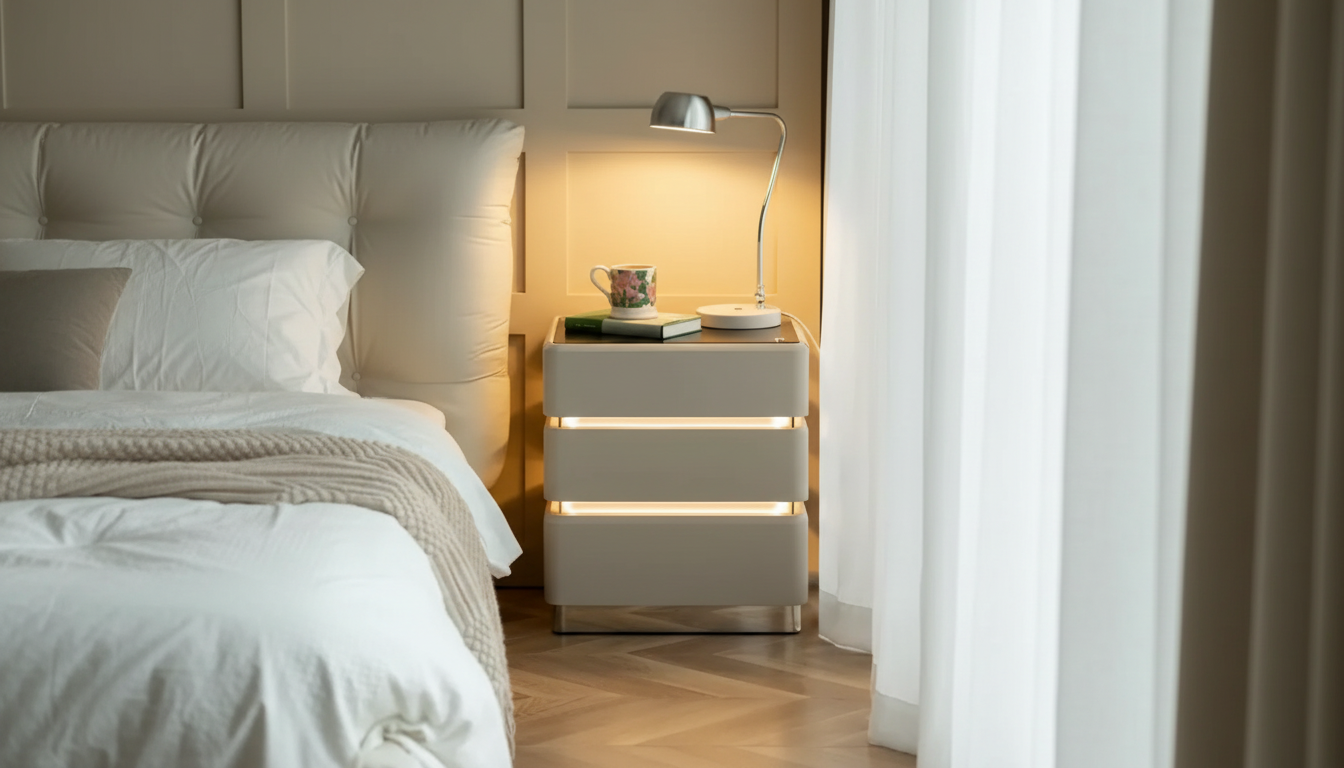
Mesa Lateral Smart Bedside Table: A Cleaner Nightstand Setup With Built‑In Convenience
A bedside table can do more than hold a lamp and a book. A smart bedside table is designed to reduce cable clutter, keep daily essentials organized, and add modern touches like integrated charging and easy-access storage—without turning the bedroom into a tech zone. For more guidance, see What kind of bed should I get for my dog with arthritis?.
If the goal is a calmer, easier nightly routine, a streamlined nightstand setup can make a surprisingly big difference: fewer cords to snag, fewer items to misplace, and a consistent place to set down the things you reach for every day. For further reading, see How to Choose the Perfect Pet Bed for Your Dog’s Sleeping Style.
What Makes a Bedside Table “Smart”
A “smart” bedside table isn’t about flashing lights or complicated apps. It’s typically about practical, built-in convenience that keeps the bedside area tidy and functional.
- Integrated power options that reduce the need for extra charging bricks and extension cords.
- Cable routing and hidden compartments to keep the top surface clear and visually quiet.
- Night-routine friendly features such as soft lighting, quick-access storage, and a stable surface for devices.
- Balanced design that considers electronics alongside safety, ventilation, and durability.
When wireless charging is involved, it helps to understand what “Qi” means and what devices support it. The Wireless Power Consortium maintains Qi standards and compatibility information at wirelesspowerconsortium.com. For safety confidence around electrical components, certifications and guidance from organizations like UL Solutions are worth recognizing when evaluating electronics used near the bed.
Mesa Lateral Smart Bedside Table at a Glance
The Mesa Lateral Smart Bedside Table is designed to function as a modern nightstand with a streamlined look, supporting a tidier bedside setup by consolidating everyday items in one place. It’s especially useful in bedrooms, guest rooms, and smaller apartments where outlets are limited and surface clutter builds up quickly.
This kind of nightstand tends to pair best with a minimal top-surface routine: phone, water, a book (or e-reader), and a small lamp. Everything else—chargers, backup cables, lotions, sleep mask, and spare batteries—can live in storage so the top stays calm and easy to wipe down.
Quick bedside-fit checklist
| Checkpoint | Why it matters | How to confirm before buying |
|---|---|---|
| Height vs. mattress top | Comfortable reach for phone, glasses, and water | Measure mattress top to floor and compare to nightstand height |
| Top surface space | Prevents overcrowding and accidental knocks | List the items that must stay on top each night |
| Charging access | Reduces cables and keeps devices reachable | Count devices and check if charging locations match habits |
| Storage style | Keeps clutter out of sight | Decide between open shelf access vs. closed compartments |
| Cord management | Avoids messy cables and snag hazards | Look for rear pass-throughs and a tidy power path |
| Stability and weight capacity | Protects electronics and avoids wobble | Check construction details and placement on level flooring |
Everyday Use Scenarios
- Phone and earbuds landing zone: One consistent spot to place devices at night and grab them in the morning reduces “where did I leave it?” moments.
- Reading setup: A stable surface for a book or tablet plus a lamp without crowding helps keep reading time relaxing instead of cluttered.
- Small-space bedrooms: Consolidating bedside essentials can eliminate the need for extra shelves or a second table.
- Guest-ready: Visitors immediately understand where to put a phone, wallet, or glasses—and where to charge devices.
- Work-from-bed moments: Supports a tablet or small laptop for short sessions without letting gear take over the room.
If the bedside light is being upgraded along with the nightstand, a sizing reference can help avoid a fixture that feels out of scale. The How to Choose Chandelier by Height and Scale Checklist is a quick way to sanity-check proportions when coordinating lighting across the room.
Placement, Power, and Safety Considerations
A smart bedside table is easiest to live with when it’s placed thoughtfully and used with simple safety habits.
- Outlet planning: Position the table so cords do not cross walking paths or create trip hazards, especially on the side of the bed used most often.
- Ventilation: Avoid blocking any built-in power area with fabrics or piles of items. Airflow matters for long-term reliability.
- Liquid awareness: Keep drinks on a stable coaster and away from charging/power areas. If space is tight, place the cup on the far side from cables.
- Heat management: Charging can generate warmth. Don’t stack devices on top of each other while charging, and avoid covering them with blankets.
- Surge protection: Use a quality surge protector when powering multiple electronics near the bed.
For general consumer guidance around wireless and electronic devices, the FCC’s RF safety resource can be helpful context, particularly for understanding how everyday electronics are evaluated and used responsibly.
Styling Ideas That Still Feel Like a Bedroom
Care and Maintenance
FAQ
Will a smart bedside table charge any phone?
Compatibility depends on the charging method. Wireless charging requires a compatible phone (often Qi) and some cases can be too thick; wired charging depends on the ports available and your cable type, so it’s best to confirm your phone’s supported standards and power needs.
Is it safe to keep electronics charging next to the bed overnight?
It can be safe with good habits: allow airflow, avoid covering devices with bedding, use certified chargers and cables, keep liquids away from power areas, and plug into a quality surge protector.
How do you choose the right height for a bedside table?
Aim for a tabletop height close to your mattress top (or slightly below). Measure from the floor to the top of the mattress and consider what feels easiest to reach when sitting up or lying down.













Leave a comment