20-Inch Kids Bike: Steel Frame + V-Brakes Fit Guide
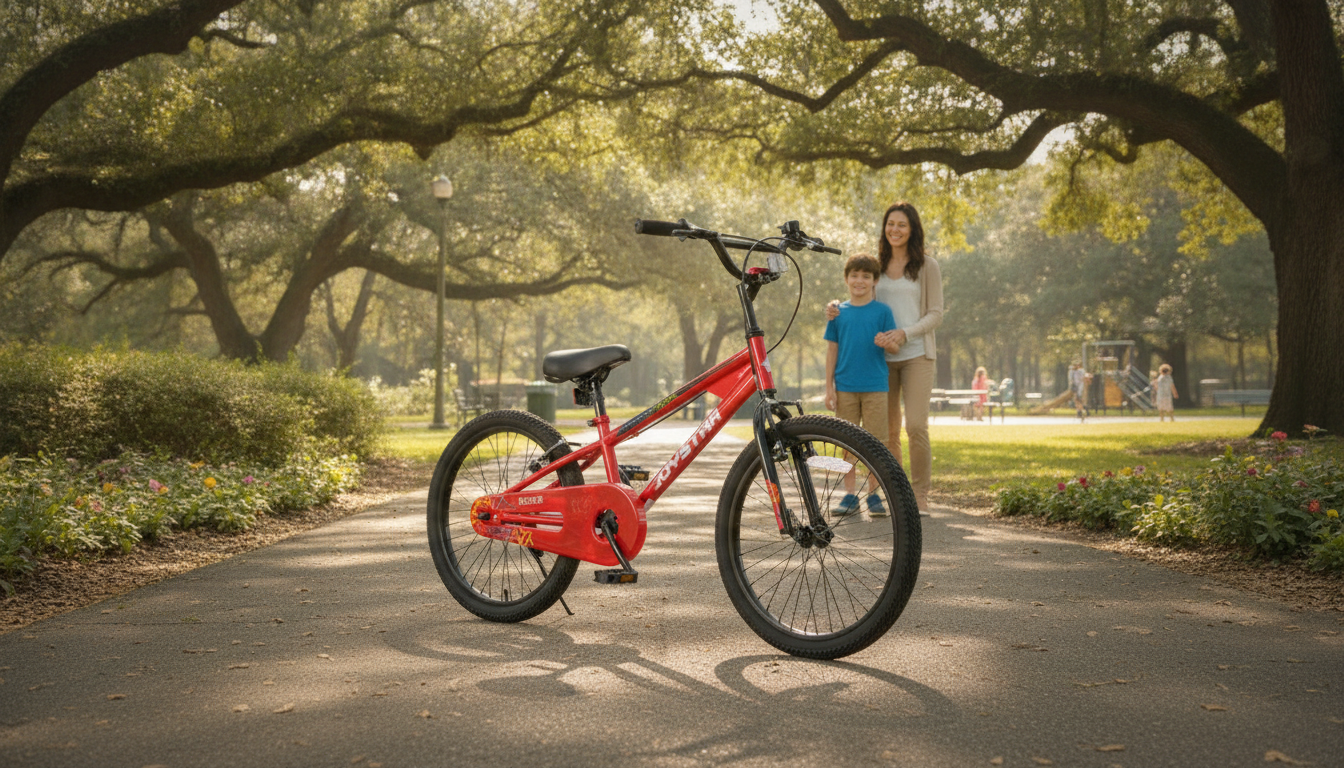
20-Inch Kids’ Bike with Carbon Steel Frame and V-Brake System
A 20-inch kids’ bike can be the sweet spot for confident neighborhood rides—big enough to feel “like a real bike,” while still manageable for growing riders. This model pairs a durable carbon steel frame with a V-brake system for dependable control, making it a solid pick for everyday cruising, school commutes, and weekend path rides.
Who a 20-inch kids’ bike typically fits
Twenty-inch bikes are commonly chosen for kids who have outgrown 16-inch wheels and are ready for longer rides and a little more speed. The best fit usually comes down to comfort and control: the rider should be able to stand over the top tube with a bit of clearance, reach the pedals without rocking hips side-to-side, and squeeze the brake levers without straining.
A quick readiness check helps avoid frustration on day one. Look for steady starts and stops, smooth turns without over-correcting, and braking that slows the bike without jerking the handlebars. If your child is between sizes, standover comfort and brake reach tend to matter more than “growing room,” since confidence is built through easy, repeatable control.
Durable carbon steel frame: what it means for everyday use
Carbon steel frames are known for toughness and impact resistance, which is helpful for the realities of kids’ riding—curbs, driveway bumps, leaning the bike against fences, and the occasional tip-over. That sturdiness can also translate to a stable feel when rolling faster on uneven pavement or packed paths.
The main tradeoff is weight. Steel often weighs more than aluminum, so carrying the bike up stairs or lifting it into a trunk can take more effort. For many families, the durability is worth it, especially when the bike will see daily use.
Care is straightforward: keep the frame clean and dry, and touch up paint chips to reduce the chance of surface rust over time. If your child rides in wet weather, a quick wipe-down after the ride goes a long way toward keeping the finish looking good.
V-brake system: control, feel, and maintenance
V-brakes (a common rim-brake style) offer strong stopping power on rim braking surfaces and are widely used on kids’ bikes because they’re simple to operate and easy to service. For a child, the “feel” at the lever matters as much as raw braking power—levers should be easy to pull with smaller hands, and braking should be smooth rather than grabby.
Dialing in the setup is usually quick: adjust lever reach (if the bike has reach-adjust levers) and set cable tension so the brake engages earlier without rubbing. Routine checks are simple too—make sure pads hit the rim (not the tire), that pad wear isn’t excessive, and that cables aren’t frayed.
One practical note: wet conditions can increase stopping distance with rim brakes. Practicing gentle, earlier braking helps kids build safer habits. For additional youth riding safety guidance, see the U.S. Consumer Product Safety Commission bicycle safety resources and NHTSA bicycle safety tips.
Comfort and handling details that matter on a 20-inch bike
If you’d like a general wheel-size reference, this kids’ bike sizes chart can be a helpful starting point, but final fit should always be confirmed by standover clearance and easy brake reach.
At-a-glance checklist for parents
Quick Fit & Safety Setup
| Item | What to look for | Simple adjustment |
|---|---|---|
| Standover | Child can stand over the frame with a bit of clearance | Lower saddle slightly or consider a different size if cramped |
| Brake reach | Fingers wrap comfortably; lever pull is smooth | Adjust lever reach (if available) and cable tension |
| Saddle height | Slight knee bend at bottom of pedal stroke | Raise/lower seatpost and re-tighten clamp |
| Brake pads | Pads contact rim evenly; not rubbing tire | Center caliper arms and realign pads |
| Tire pressure | Stable ride with good grip | Inflate to the tire’s recommended PSI range |
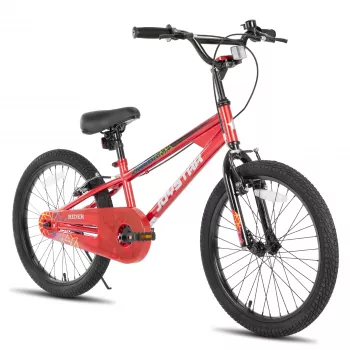
Product spotlight: 20-Inch Kids’ Bike with Durable Carbon Steel Frame and V-Brake System
If you’re shopping specifically for a sturdy 20-inch option with straightforward braking, 20-Inch Kids’ Bike with Durable Carbon Steel Frame and V-Brake System is built around the needs of growing riders who want longer, faster neighborhood rides. The carbon steel frame is designed for day-to-day knocks and active use, while the V-brake system supports reliable speed control with easy routine maintenance. It’s currently in stock and ready to order.
Care tips to keep the bike running smoothly
More in-stock finds
- 12-Ton Heavy Duty Hydraulic Shop Press for Garage and Workshop
- 16 Piece Blue Stoneware Dinner Set – Elegant Floral Embossed Plates & Bowls
FAQ
What age is a 20-inch kids’ bike for?
Many kids ride a 20-inch bike in the elementary-school range, but the best match depends on height, inseam, and control. Confirm your child can stand over the frame with a little clearance and can start, stop, and brake smoothly without losing balance.
Are V-brakes strong enough for a kids’ bike?
Yes—when properly adjusted, V-brakes provide strong, predictable stopping power for typical kids’ riding. Keep pads aligned to the rim and replace worn pads; in wet weather, plan for longer stopping distances and encourage earlier, gentler braking.
Is a carbon steel frame too heavy for a child?
Carbon steel can be heavier than aluminum, but it’s also very durable for everyday use. The key is whether your child can comfortably start, stop, and maneuver the bike; if carrying up stairs is frequent, weight may matter more for your routine.













Leave a comment