Mindful Clarity Printable Journal for Mindfulness & Gratitude
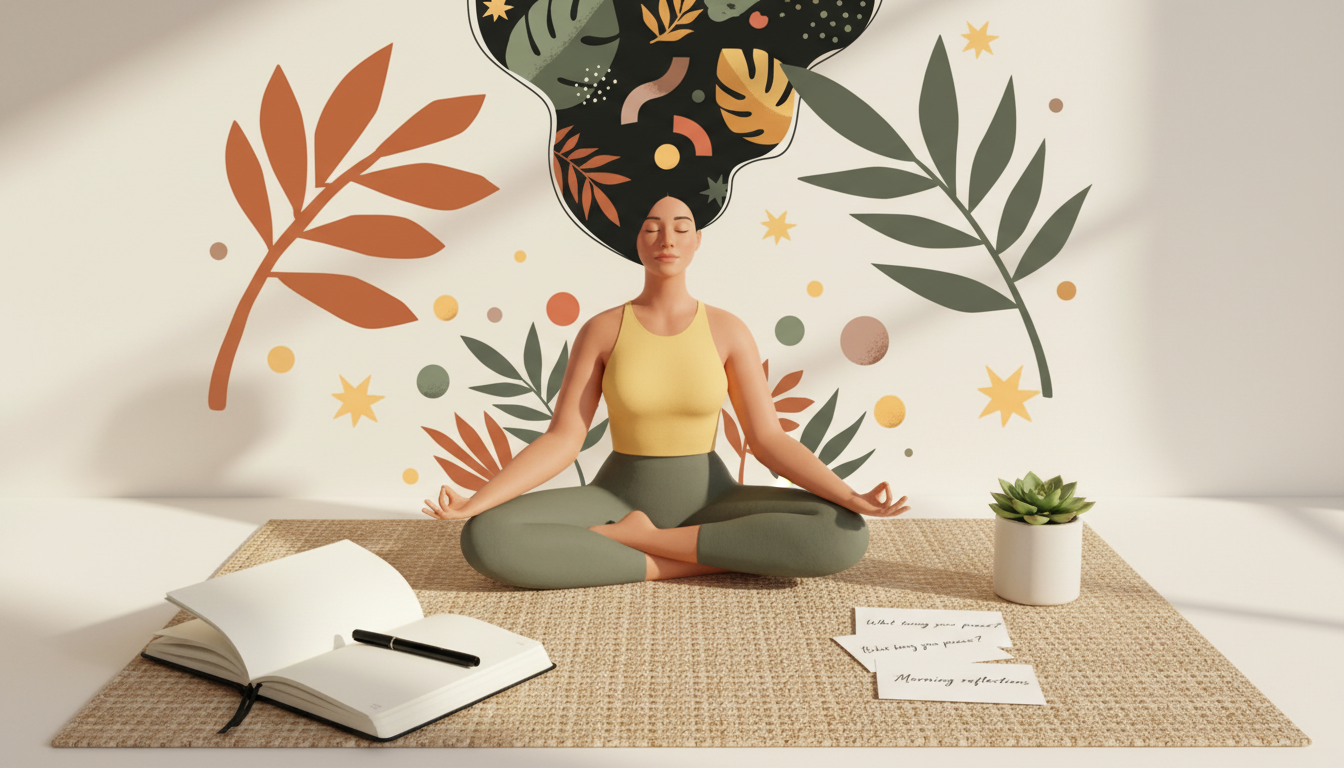
Mindful Clarity: A Printable Journal for Daily Mindfulness, Gratitude, and Reflection
A steady journaling practice can make it easier to slow down, notice what matters, and respond to stress with more intention. Mindful Clarity is a printable journal built around daily mindfulness check-ins, gratitude exercises, and reflective quotes—designed to support mental well-being through small, consistent moments of attention.
Mindfulness and gratitude are widely studied as supportive practices for stress and emotional regulation. If you like learning the “why” behind the habit, the American Psychological Association and the Greater Good Science Center (UC Berkeley) offer helpful research-based overviews.
What Mindful Clarity Includes
- Daily mindfulness prompts to ground attention and name what’s present
- Gratitude exercises that shift focus toward supportive moments, people, and personal strengths
- Reflective quotes to spark meaning-making without demanding long writing sessions
- Printable format for flexible use: bind it, keep pages in a folder, or print only the sections needed
- A structure that supports both brief check-ins and deeper reflection depending on energy and time
If guided writing helps you stay consistent, you can start with Mindful Clarity: Journal & Prompts (Printable Journal) and treat it like a daily “mental reset” page rather than a big project to finish.
A Simple Daily Flow That Builds Consistency
Consistency gets easier when the steps are small and repeatable. The goal isn’t to write perfectly—it’s to practice noticing.
- Start with a one-minute pause: breathe, relax the jaw, and notice physical sensations.
- Answer one mindfulness prompt to identify thoughts, emotions, and body cues without judging them.
- Complete a short gratitude exercise (3 items or 1 deeper entry) to reinforce what’s working.
- Use a reflective quote as a lens: connect it to a real moment from the day.
- End with one small intention for the next 24 hours, keeping it realistic and observable.
Daily Practice Options (Choose One Per Day)
| Time available | Mindfulness check-in | Gratitude exercise | Reflection close |
|---|---|---|---|
| 3–5 minutes | Name one feeling + where it shows up in the body | List 1 thing that helped today | Write 1 sentence: “Tomorrow, I will…” |
| 8–10 minutes | What am I avoiding noticing right now? | List 3 specific moments of support or relief | Connect a quote to one decision or boundary |
| 15–20 minutes | What story am I telling myself, and what else could be true? | Write a gratitude letter (not required to send) | Identify one pattern to release and one to strengthen |
Gratitude Exercises That Feel Real (Not Forced)
Gratitude works best when it’s grounded in reality, not pressure to “be positive.” The aim is to widen your view—especially on days when stress narrows it.
- Specificity beats quantity: “Warm sun on the walk” tends to land more than “I’m grateful for everything.”
- Balance external and internal gratitude: people and events, plus personal effort and resilience.
- Use contrast: note what was hard, then identify what helped you move through it.
- Try future gratitude: name something you’re practicing now that your future self will appreciate.
- When motivation is low, choose micro-gratitude: one neutral or slightly positive detail is enough.
Over time, these entries become a practical record of what reliably supports you—sleep routines, certain boundaries, small acts of kindness, or even the way a brief pause changes a tense moment.
Reflective Quotes as a Gentle Reframe
Quotes can be useful when you want perspective but don’t have the energy to dig for it. In Mindful Clarity, reflective quotes are meant to soften the entry point into insight.
- Treat quotes as prompts, not rules—take what fits and leave the rest.
- Ask one question: “Where did I already live this idea today?”
- Use quotes to widen perspective during stress: focus on values, patience, and self-compassion.
- If a quote triggers resistance, explore it: “What part of me disagrees, and why?”
- Pair a quote with an action: one boundary, one kind choice, or one small repair step.
Ways to Print and Use It Without Friction
If your environment affects your follow-through, a few practical upgrades can help your routine “stick.” For example, setting up a calm corner with good lighting can make journaling more inviting; the How to Choose Chandelier by Height and Scale Checklist can be handy when you’re refining a room where you read, reflect, or unwind.
Who This Journal Fits Best
Getting Started: A 7-Day Reset Plan
For additional background on mindfulness practices and how they’re commonly used, the National Center for Complementary and Integrative Health summarizes evidence and safety considerations in a clear, practical way.
Mindful Clarity: Printable Journal Details
Quick Snapshot
| Item | What it is |
|---|---|
| Format | Printable guided journal |
| Core elements | Mindfulness prompts, gratitude exercises, reflective quotes |
| Use cases | Daily check-ins, stress support, reflection, self-awareness building |
| Best for | People who want structure and consistency |
Related Picks for a Calm, Intentional Routine
- Mindful Clarity: Journal & Prompts | Printable Journal with Daily Mindfulness Prompts, Gratitude Exercises & Reflective Quotes for Mental Well-Being
- How to Choose Chandelier by Height and Scale Checklist | Chandelier Sizing Guide | Lighting Design Tips | Digital Download
- 16 Piece Blue Stoneware Dinner Set – Elegant Floral Embossed Plates & Bowls
FAQ
How long should a daily entry take?
Choose what fits your day: 3–5 minutes for a quick check-in, 8–10 minutes for a fuller reset, or 15–20 minutes for deeper reflection. Consistency matters more than length, and answering even one prompt counts.
What if gratitude journaling feels inauthentic?
Keep it specific and small: one real detail that offered relief, support, or steadiness is enough. It also helps to balance “hard-and-true” with “helpful-and-true” by noting what was difficult and what helped you move through it.
Can this be used as part of a mental health routine?
Yes—many people use guided journaling as a supportive complement to therapy, coaching, meditation, or other care. It’s not a substitute for professional help, but it can make patterns, triggers, and coping tools easier to notice and discuss.















Leave a comment