Enclosed Cat Litter Box with Lid + Drawer: Less Mess
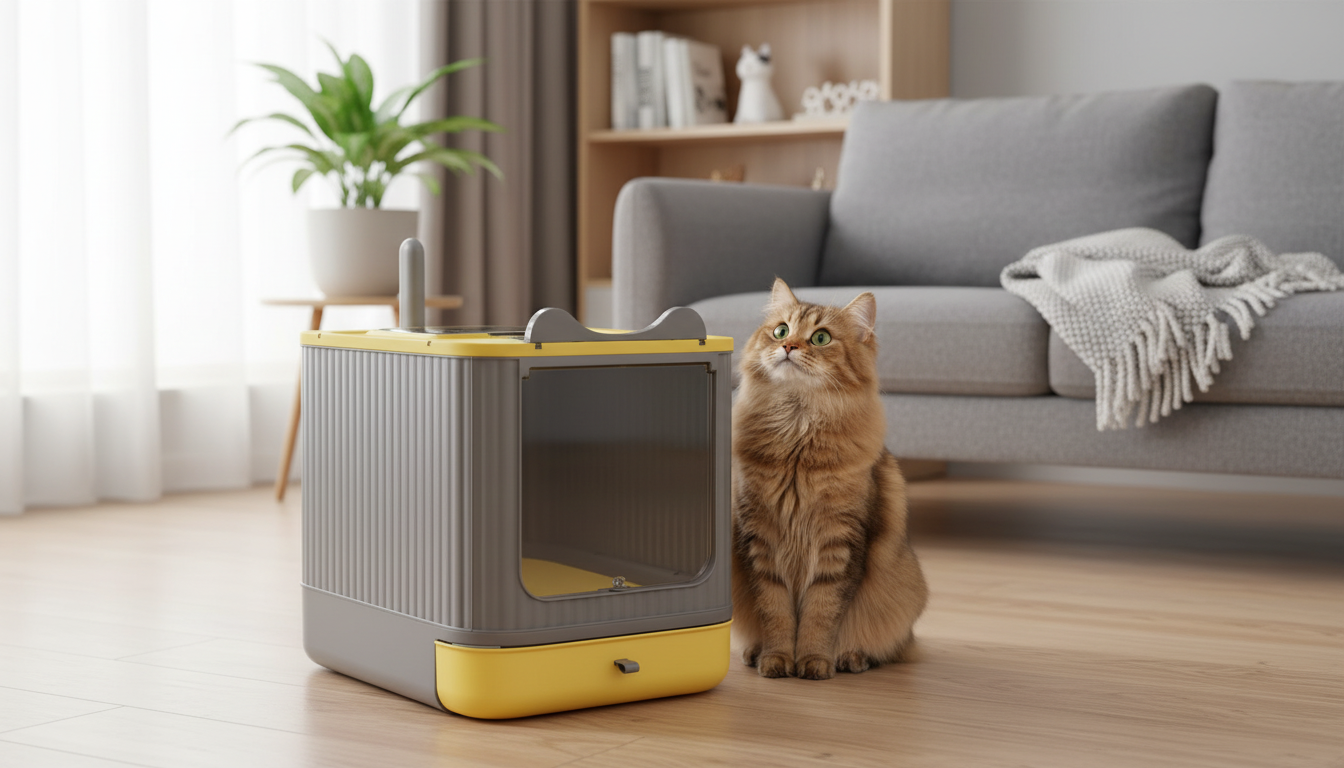
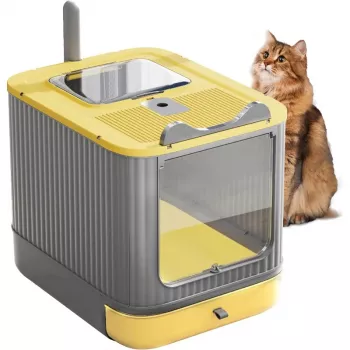
Upgraded Enclosed Cat Litter Box with Lid and Drawer
An enclosed litter box can help reduce tracked litter, contain odors, and give cats more privacy—when the size, entry style, and cleaning access fit the cat and the home. This upgraded design pairs a covered lid with a pull-out drawer to make daily maintenance faster while keeping the area around the box cleaner. For more guidance, see Providing Outdoor Litter Boxes.
What an enclosed box with a drawer changes day to day
A covered litter setup can feel like a small quality-of-life upgrade because it tackles the two most common frustrations: mess and maintenance. Many cats appreciate the added privacy versus open pans, and some households notice less “enthusiastic digging” that sends litter over the edges. For further reading, see FOXORU 2-Pack Stainless Steel Cat Litter Box.
- More privacy for many cats compared with open pans, which can reduce scattered digging in some homes
- A lid helps limit litter scatter and can slow odor spread (especially when paired with frequent scooping)
- A drawer-style base makes it easier to slide out, scoop, and refresh litter without lifting the whole box
- Cleaner floors around the box when entry and rim height help keep litter inside
- More intentional placement options in small spaces because mess is more contained
For behavior and house-soiling concerns, it also helps to keep the basics right—box cleanliness, location, and a setup that doesn’t intimidate the cat. If problems persist, reputable resources like the ASPCA’s litter box guidance and the Cornell Feline Health Center overview of house-soiling can help identify common triggers.
Key features to look for in a lid-and-drawer design
Not all covered boxes are equally practical. A lid that “kind of fits” or a drawer that sticks can turn an easy routine into a hassle. These details tend to matter most in everyday use:
- Entry height and opening size that suit the cat’s age, mobility, and body size
- Smooth drawer rails/fit so the tray slides without jamming when partially full
- High walls and a well-seated lid to reduce kick-out during digging
- Materials that wipe clean and resist absorbing odor over time
- Secure closure points so the lid stays aligned after repeated use
- Ventilation balance: enclosed enough to contain litter, not so stuffy that odors concentrate
A good rule: if it’s easy for a human to open, scoop, wipe, and reassemble, it’s more likely to stay consistently clean—one of the biggest factors in whether cats keep using it reliably.
Cleaning routine that keeps odors down
Even the best enclosed litter box can’t “trap” odor indefinitely. The biggest difference-maker is a predictable routine, especially in multi-cat households where the box loads up quickly.
- Scoop at least once daily; twice daily is ideal for multi-cat homes
- Use the drawer to pull out the tray, scoop waste, level litter, and slide back in—minimizing spills
- Wipe inner walls and lid edges weekly where residue tends to collect
- Replace litter fully on a schedule based on litter type and household load (more frequent for scented buildup or humidity)
- Wash with mild soap and warm water; avoid harsh cleaners that can leave strong smells that deter use
- Check corners and seams for trapped litter granules that can hold odor
Drawer systems shine here: instead of lifting a bulky box and risking litter spills, the tray comes out to you. Keeping the drawer rails clear (a quick wipe) also prevents sticking and makes the box feel “new” longer.
Sizing and comfort considerations for different cats
Covered designs only work if the inside feels roomy and the entry feels safe. Cats should be able to enter, turn around, and posture comfortably without brushing the lid or crouching unnaturally. When a box feels cramped, some cats start perching on edges, eliminating near the entrance, or skipping the box altogether.
| Cat profile | What to prioritize | What to avoid |
|---|---|---|
| Large/long-bodied adult | Wide interior space and taller lid clearance | Small openings and tight corners |
| Senior or mobility-limited | Low, stable entry and easy step-in | Steep climbs or slippery thresholds |
| High kicker/digger | High walls, snug lid fit, controlled entry | Low rims and loose-fitting lids |
| Nervous/needs privacy | Covered design in a quiet spot | High-traffic placement and frequent disruption |
Where to place it for better litter habits
Common issues and simple fixes
Product option: Upgraded Enclosed Cat Litter Box with Lid and Drawer
If the goal is a tidier litter area with less daily effort, the Upgraded Enclosed Cat Litter Box with Lid and Drawer is built around two practical advantages: a covered structure to help contain scatter and a pull-out drawer that streamlines scooping and full litter changes.
More in-stock home finds
- How to Choose Chandelier by Height and Scale Checklist | Chandelier Sizing Guide | Lighting Design Tips | Digital Download
- 16 Piece Blue Stoneware Dinner Set – Elegant Floral Embossed Plates & Bowls
FAQ
Will an enclosed litter box reduce odor?
A lid can help slow how quickly odors spread into the room, but real odor control still depends on frequent scooping, a good litter choice, reasonable ventilation, and regular washing. Avoid harsh or strongly scented cleaners, since lingering smells can deter some cats from using the box.
Do all cats like covered litter boxes?
No—preferences vary. Some cats relax with added privacy, while others dislike feeling enclosed; a smooth transition often helps, such as leaving the lid off at first and confirming the box is roomy with an easy entry.
How often should the drawer be cleaned and the litter replaced?
Scoop daily (twice daily for many multi-cat homes), wipe the walls and lid seams weekly, and replace litter fully on a schedule that matches your litter type and household load. Keep the drawer rails clean so the tray continues to slide easily without sticking.













Leave a comment