Mobile Drying Rack for Fresh Auto Paint: Fewer Touch-Ups
Fresh Paint Needs a Better Place to Land
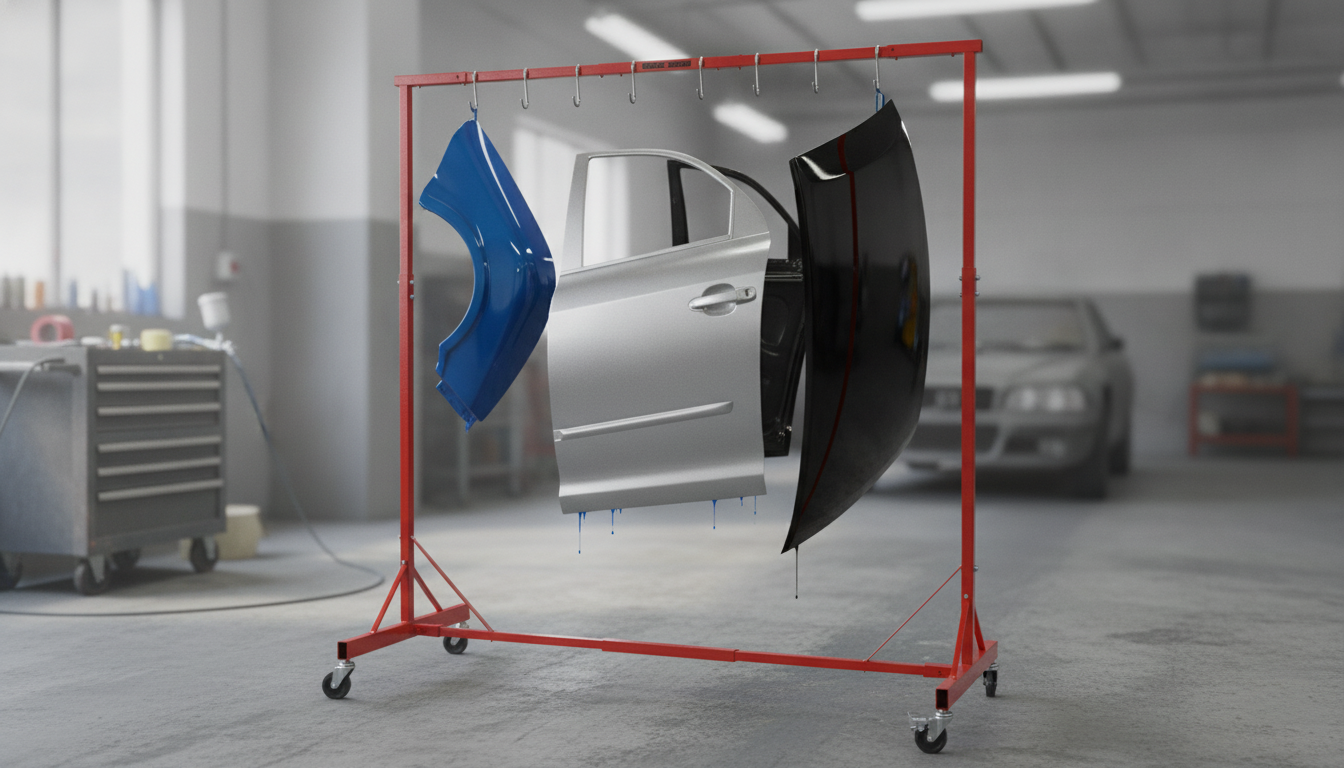
Freshly painted parts need airflow, separation, and a stable place to cure without fingerprints, edge chips, or accidental contact. A mobile drying rack built for automotive work helps keep panels organized, improves shop flow, and reduces rework by keeping wet surfaces off benches, walls, and the floor. When you can hang parts cleanly, roll them where they need to go, and keep consistent spacing, each coat has a better chance to flash and cure the way the paint system intended.
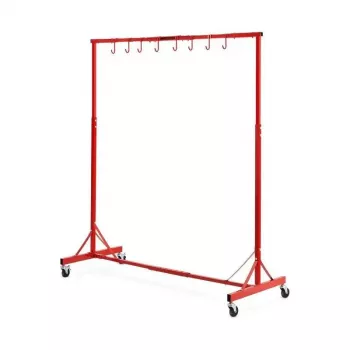
For shops and serious home garages, a dedicated rack like the Heavy-Duty Automotive Painting Drying Rack with Adjustable Hooks & Swiveling Wheels can become the “quiet hero” of the workflow: it doesn’t spray the paint, but it prevents the common problems that ruin great spraying.
What a drying rack solves in a paint workflow
Drying and staging sounds simple until a bumper, mirror cap, bracket set, and trim pieces all need to cure at the same time—without touching anything. A purpose-built rack solves several pain points at once:
- Keeps painted parts suspended and separated so wet edges don’t touch adjacent surfaces
- Improves airflow around parts for more consistent flash and cure times
- Reduces handling: move parts and keep them staged in one place instead of relocating multiple times
- Supports a cleaner, safer workspace by keeping parts off walkways and improvised hooks/stands
Better staging also helps maintain finish quality. When parts are separated and stable, there’s less chance of edge-to-edge contact, less chance of sanding dust or shop debris sticking to a wet surface, and fewer “save it later” touch-ups that expand the job.
Key design features to look for
Not all racks behave the same once they’re loaded with uneven parts. The most useful designs focus on adjustability, stability, and smooth movement—without turning into a wobble cart.
- Adjustable hooks: reposition to match part shape, hole locations, and balance points (mirrors, trim, brackets, small panels)
- Stable frame: a wide stance and rigid uprights help prevent sway when loading/unloading
- Swiveling wheels (casters): easier cornering around booths and benches; helps line up parts for spraying, masking, and staging
- Locking casters (if equipped): keeps the rack from drifting when loading parts or working nearby
- Surface-friendly contact: hooks and hang points should avoid sharp burrs that can scratch or leave marks
- Modular spacing: enough vertical and horizontal clearance so parts don’t bump when the rack rolls over small thresholds
Quick checklist for selecting and setting up a drying rack
| Category | What to verify | Why it matters |
|---|---|---|
| Capacity planning | Count of parts per job and average part size | Prevents crowding that can cause contact marks and slow drying |
| Hook flexibility | Adjustable positions and secure attachment | Helps balance odd-shaped parts and keeps them from spinning |
| Mobility | Swiveling casters and smooth rolling | Reduces bumps that can smear wet paint or cause parts to collide |
| Stability | Rigid frame and wide base | Limits tipping risk when moving or when parts are loaded unevenly |
| Clearance | Spacing between hang points and uprights | Improves airflow and keeps parts from touching |
| Shop fit | Overall footprint and turning radius | Ensures it can move through doorways and around benches |
Using adjustable hooks for cleaner, safer drying
Adjustable hooks are where a drying rack earns its keep. Being able to shift hang points by inches can be the difference between a steady part and one that swings, rotates, or leans into a neighboring piece.
Mobility benefits of swiveling wheels in a busy shop
Mobility also supports safer, cleaner work habits. Keeping walkways clearer and avoiding improvised hanging locations reduces trip hazards and accidental bumps. For general ventilation and exposure-control guidance, it’s worth reviewing OSHA’s resources on ventilation, then pairing that knowledge with your paint maker’s system-specific directions.
Best practices for loading, drying, and curing
When drying and curing times matter, follow the technical product information and training resources provided by major refinish manufacturers. Helpful references include 3M’s automotive refinishing resources and PPG Refinish training and product information (drying and curing guidance varies by system and conditions).
Where this rack fits best
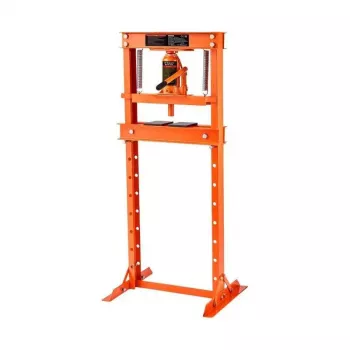
For a more complete garage workflow, pairing staging tools with pressing capability can also streamline repairs and installs. The 12-Ton Heavy Duty Hydraulic Shop Press for Garage and Workshop is a practical complement for bearing work, bushing service, and straightening tasks that often come up alongside refinishing and reassembly.
Care, storage, and long-term durability
Shop-ready option available now
If the goal is cleaner staging and fewer “where do I put this?” moments during curing, the Heavy-Duty Automotive Painting Drying Rack with Adjustable Hooks & Swiveling Wheels is an in-stock solution designed for real automotive parts, with adjustable hang points and easy maneuvering around busy work areas.
FAQ
How many parts can a drying rack hold at once?
It depends on part size, the clearance needed for airflow, and how safely the load can be balanced. Leaving space between parts and distributing weight evenly is typically more important than maximizing the part count.
Will swiveling wheels make the rack less stable?
Stability mainly comes from the frame design and how the rack is loaded. Swiveling casters improve maneuvering, and stability is best when rolling slowly, keeping the load centered, and using wheel locks if available.
How can hooks be used without damaging fresh paint?
Hang parts from existing mounting holes or masked areas when possible, and avoid sharp edges that can dig into coatings. Keeping hooks clean and using two hang points for swing-prone parts also helps prevent marks and rotation.













Leave a comment