Whole-House Mist-Free Evaporative Humidifier + Purifier
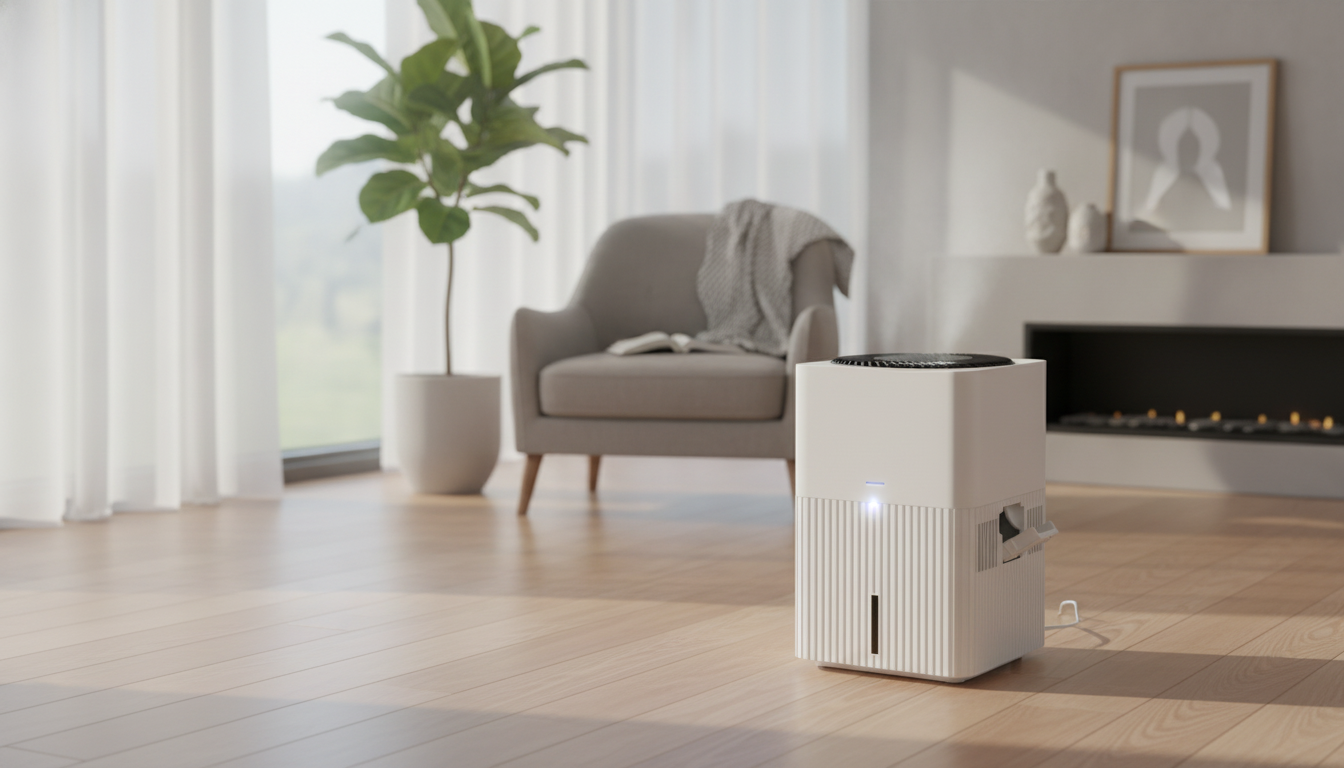
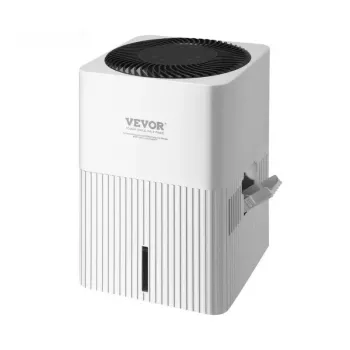
Whole House Mist-Free Evaporative Humidifier & Air Purifier: Comfortable Humidity and Cleaner Air
Dry indoor air can trigger scratchy throats, irritated skin, static shocks, and restless sleep—while airborne dust and allergens can linger long after cleaning. A mist-free evaporative humidifier paired with air purification is designed to raise indoor humidity naturally while also helping reduce common particles in the air, making everyday rooms feel more comfortable and easier to breathe in.
What “Mist-Free Evaporative” Means (and Why It Matters)
Mist-free evaporative humidification works a lot like nature: a fan draws air through a damp wick or filter, and water evaporates into the airflow at a rate the air can absorb. Because moisture is added as vapor (not sprayed droplets), the output is typically “mist-free”—no visible plume and less chance of damp film collecting around the unit.
- Natural evaporation with a wick and fan: Air moves through a wet filter, picking up moisture as needed.
- Less mess around the unit: Mist-free operation helps reduce the risk of damp surfaces near the humidifier and avoids “white dust” that can happen with some ultrasonic models when minerals are present in the water.
- Self-regulating behavior: As humidity rises, evaporation slows, which can help prevent the “too humid” feeling associated with some continuous-mist designs.
- Great for lived-in spaces: Bedrooms, nurseries, living rooms, and open-plan areas often benefit from steadier comfort without visible vapor.
Humidifier Types Compared
| Type | How it adds moisture | Typical tradeoffs | Best for |
|---|---|---|---|
| Mist-free evaporative | Fan pulls air through a wet wick/filter | Needs periodic wick/filter maintenance; can be slightly louder than passive methods | Balanced comfort, fewer surface-dampness concerns |
| Ultrasonic | Vibrations create fine mist droplets | May leave mineral residue without demineralized water; visible mist | Quiet operation; small rooms when water quality is managed |
| Warm-mist (steam) | Boils water to create steam | Higher energy use; hot components | Cold climates; when warm vapor is preferred (with added safety) |
Air Purification + Humidification: How the Combo Improves Comfort
Humidity and air cleanliness affect how a home feels hour by hour. When they work together, rooms can feel less harsh in winter and less “stale” between deep cleans.
- Comfortable humidity supports easier breathing: Many people notice less dry nose/throat irritation and less tight-feeling skin when indoor humidity stays in a comfortable range.
- Air cleaning tackles everyday debris: Filtration and airflow can help reduce common airborne particles such as dust, pet dander, and lint that circulate with normal activity.
- Paired benefits you can feel: Proper humidity can make a room feel warmer at the same thermostat setting, while cleaner air can feel fresher—especially in busy households.
- Helpful in real homes: Pets, frequent cooking, open windows, and high foot traffic all add to indoor particle load and comfort swings.
Keeping humidity in check also matters for moisture-related issues. Guidance from agencies like the EPA on mold and the CDC’s mold information emphasizes that controlling moisture is key for reducing mold growth risk—another reason to aim for a healthy, monitored humidity range instead of “more is always better.”
Key Features to Look For in a Whole-House Style Unit
“Whole house” can mean different things: sometimes it’s a high-output unit intended for large open areas, and other times it’s a strong central-room placement meant to support multiple connected rooms through airflow. The best match depends on your layout, ceiling height, and how air moves through hallways and doorways.
- Coverage approach: Choose output and design that fit your floor plan; larger, open spaces generally need higher output.
- Humidity control: Adjustable settings or a built-in humidistat can deliver more stable comfort and fewer humidity swings.
- Filtration path: A prefilter can help catch larger particles; confirm what the system is designed to trap and how often filters need replacing.
- Water tank access: Wide openings, easy carry design, and spill-resistant fills make daily refills simpler during dry months.
- Noise levels: Bedrooms often benefit from lower fan speeds at night; consider where the unit will live.
- Maintenance reminders: Filter indicators and easy-to-find replacements help keep performance consistent over time.
Using It Day to Day: Setup, Placement, and Best Practices
Performance depends as much on habits as hardware. A few setup and maintenance routines can keep humidity comfortable while reducing the chance of musty odors, buildup, or inconsistent output.
Whole House Mist-Free Evaporative Humidifier & Air Purifier: What to Expect
Whole House Mist-Free Evaporative Humidifier & Air Purifier is available now for households that want balanced moisture and fresher-feeling air in everyday spaces.
Quick Snapshot
| Detail | Value |
|---|---|
| Product | Whole House Mist-Free Evaporative Humidifier & Air Purifier |
| Price | 70.01 USD |
| Availability | In stock |
| Product page | https://prince.sale/whole-house-mist-free-evaporative-humidifier-air-purifier/ |
More Home Picks In Stock
- How to Choose Chandelier by Height and Scale Checklist | Chandelier Sizing Guide | Lighting Design Tips | Digital Download
- 16 Piece Blue Stoneware Dinner Set – Elegant Floral Embossed Plates & Bowls
FAQ
Is a mist-free evaporative humidifier safer for floors and furniture?
It can be, because it doesn’t release a visible mist that may settle on nearby surfaces. Correct placement and keeping indoor humidity in a recommended range are still important to help prevent condensation, especially near windows.
What humidity level should a home aim for in winter?
A common comfort target is about 30–50% relative humidity. When outdoor temperatures are very cold, staying closer to the lower end can help reduce window condensation; a hygrometer makes it easier to fine-tune.
How often does the wick or filter need to be replaced?
It varies with runtime and water hardness, but many households replace wicks/filters every few weeks to a couple of months during heavy use. Replace sooner if you notice discoloration, mineral buildup, odor, or reduced humidification output, and follow the unit’s maintenance guidance.












Leave a comment