Choosing the Right Rivet Size for Leather (Fast Guide)

How to choose the right size rivet for leather?
Picking the right rivet size for leather comes down to three measurements: leather thickness, hole size, and the look/strength you want. A rivet that’s too short won’t roll a proper cap and can pull out; too long can bend, wobble, or crush the leather when set.
1) Measure total thickness (the “stack”)
Add up everything the rivet will pass through: leather layers, lining, webbing, or a washer/backing plate. As a rule of thumb, choose a post length that’s just a bit longer than the total stack so there’s enough shank to flare and lock. If the stack is 6 mm, a post around 7–8 mm often sets more cleanly than an exact 6 mm post.
2) Match the rivet diameter to your job
Small-diameter rivets look tidy on thin leather goods (wallets, straps, shoe trims) while larger diameters distribute force better for high-stress points (bag handles, belts). The hole should be snug: punch as close as possible to the post diameter so the rivet doesn’t wiggle before setting.
3) Choose cap size based on appearance and coverage
Cap diameter is mostly visual, but it also helps cover the hole cleanly. If the leather surface has texture or you’re reinforcing an area, a slightly wider cap can hide minor punching marks and spread pressure.
4) Test-set before committing
Set one rivet on scrap using the exact same layers. A good set rivet sits flat, spins minimally (ideally not at all), and doesn’t dent the leather around the cap. If it mushrooms unevenly or feels loose, adjust post length or hole size.
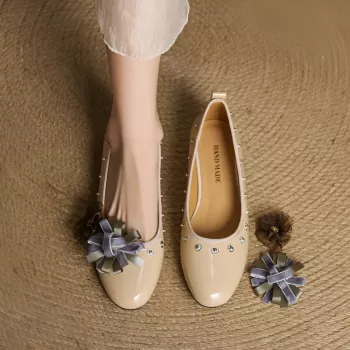
For a style-focused example where hardware choice matters, see the main guide here: https://prince.sale/guide-patent-loafers-rivet-flower-round-toe-low-heel/.
FAQ
Do I need a washer or backing plate for leather rivets?
Use a washer/backing plate when the leather is soft, thin, or under high tension (like handles or belt ends). It helps prevent pull-through and improves long-term durability.














Leave a comment