24 vs 26 Inch Bike: Which Size Fits You Best?
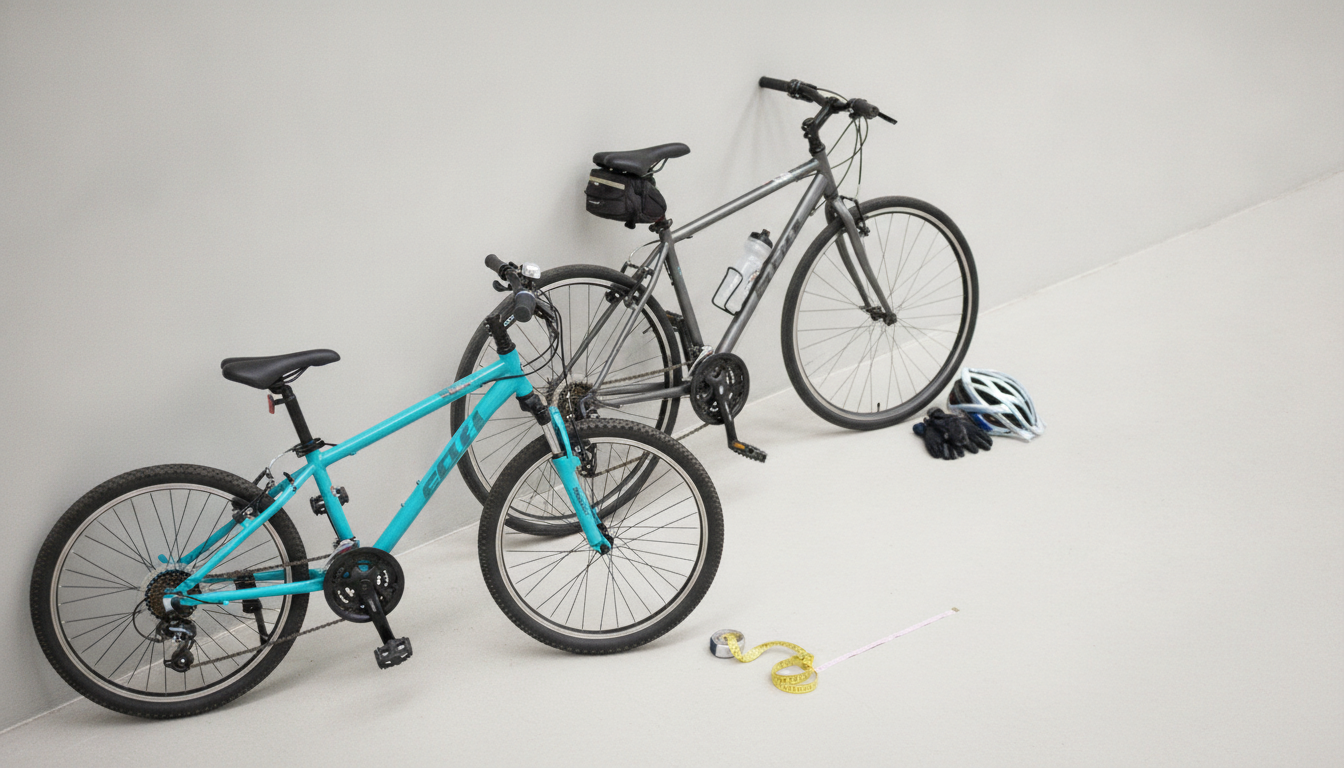
What’s better, a 24 or 26 inch bike?
Neither is universally “better”—a 24-inch or 26-inch bike is better when it matches the rider’s height, inseam, and where they’ll ride most. In general, 24-inch wheels suit many kids and young teens who are still growing, while 26-inch wheels are more common for older teens and adults who need a roomier fit and want more rollover on rougher ground.
When a 24-inch bike is the better pick
A 24-inch bike tends to feel easier to handle for smaller riders because the overall bike is typically shorter and lighter. That can make starts, stops, and turns more confidence-building—especially for riders transitioning from a smaller kids’ bike. If a rider can’t comfortably stand over the frame, reach the brakes securely, or put a foot down when stopping, the bike will feel intimidating no matter how “nice” it is.
When a 26-inch bike is the better pick
A 26-inch bike is often the better choice once a rider needs more legroom and a longer cockpit. The larger wheel can also smooth out bumps a bit more and carry speed well on pavement and hard-packed paths. For riders close to adult sizing, a 26-inch model can prevent “outgrowing” the bike quickly and may offer more options in frame styles and components.
How to decide quickly (fit beats wheel size)
Start with fit and control checks: the rider should be able to straddle the bike comfortably, reach the handlebars without locking their elbows, and squeeze the brakes without shifting their grip. A well-fitting 24-inch will be safer and more fun than an oversized 26-inch that feels hard to maneuver.
If you’re choosing for a growing rider and want a practical fit checklist, use this sizing-focused guide: kids bike fit guide.
FAQ
How do I know if a bike fits my child?
A good fit means your child can stand over the frame with comfortable clearance, sit and pedal without overextending their legs, and reach the handlebars and brakes securely. If they struggle to stop, turn, or put a foot down confidently, size down.














Leave a comment