Heated Shiatsu Foot Massager: Air Compression & Acupoint Tips
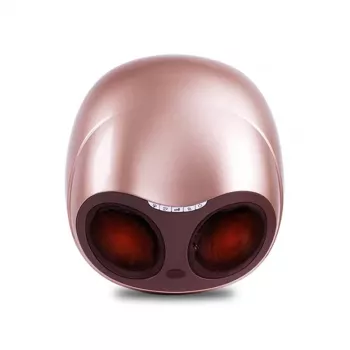
Heated Shiatsu Foot Massager with Air Compression and Acupoint Therapy: Comfort, Settings, and Everyday Use
A heated shiatsu foot massager that adds air compression and acupoint-focused pressure can turn a quick break into a consistent recovery ritual—especially after long hours standing, walking, or desk work. The combination matters: kneading targets tight spots in the sole, compression creates a steady “wraparound” squeeze, and heat adds a cozy layer that can make the whole session feel more relaxing. Below is a practical guide to what the massage feels like, which settings are most useful day to day, and how to build a simple routine you’ll actually stick with.
What the massage experience feels like
Shiatsu-style kneading is designed to mimic firm thumb pressure and a rolling motion across the sole and arch. The sensation is more “targeted” than a vibrating foot pad—often deeper, with distinct pressure points you can feel moving from heel to arch to the ball of the foot.
Air compression changes the vibe from “deep tissue” to “supported.” Instead of only pressing into the bottom of the foot, the massager gently squeezes around the foot to create a steady hug-like pressure. Many people find this especially calming after a long day when feet feel puffy, tired, or heavy.
Heat typically runs in the background as a steady warmth. In cooler rooms—or after outdoor activity—warming the feet while the massage runs can make the kneading feel less abrupt and more soothing. Acupoint-focused patterns usually concentrate pressure on common tension zones: the heel, arch, ball of the foot, and along the inner edge. If the first session feels surprisingly strong, that’s common; starting at the lowest intensity and stepping up gradually helps your body adapt.
Key features that matter day to day
Heat control
The most comfortable heat feels consistent and supportive rather than “hot.” A good heat setting should complement the kneading, not overpower it. If your feet are sensitive, look for the ability to keep heat low or off.
Multiple intensity levels
Intensity options make a big difference—both for personal comfort and for households where different people share the same device. What feels perfect after a long walk may feel too intense for someone with more sensitive soles.
Compression adjustment
Separate control over squeeze intensity is especially useful on days when feet are more prone to swelling or when you want relaxation without extra pressure. Compression should feel snug, not restrictive.
Mode variety
Alternating kneading, rolling, and compression patterns can reduce “same spot fatigue.” Variety also helps match the massage to the moment: lighter modes for winding down, stronger kneading for tight arches, and mixed patterns for general recovery.
Easy-clean surfaces or liners
Foot massagers get frequent use, so hygiene features matter. Easy-wipe materials and removable/cleanable liners make it easier to keep the device fresh—especially if you use it daily or share it with family.
Settings guide: choosing the right mode for the moment
Quick settings map
| Goal | Kneading intensity | Air compression | Heat | Suggested session |
|---|---|---|---|---|
| Wind down before bed | Low–Medium | Low | On | 10–15 min |
| After standing all day | Medium | Medium | On | 15 min |
| Sensitive or ticklish feet | Low | Low | Off or Low | 5–10 min |
| Focused arch release | Medium–High | Low | Optional | 10–15 min |
| Warm-up on cold days | Low | Low | On | 10 min |
Who it can help (and when to pause or ask a clinician)
Extra caution is smart for anyone with neuropathy or reduced sensation, circulation disorders, diabetes-related foot concerns, recent injury, or pregnancy. In those situations, it’s worth confirming with a clinician that heat and compression are appropriate. Comfort should improve during a session, not worsen—stop if you notice sharp pain, numbness, tingling, or increased swelling. For persistent heel pain (including plantar fasciitis symptoms), massage may be one part of a broader plan that includes stretching, supportive footwear, and activity adjustments. For background on heel pain and plantar fasciitis symptoms, see Mayo Clinic’s overview: https://www.mayoclinic.org/diseases-conditions/plantar-fasciitis/symptoms-causes/syc-20354846.
Best practices for safe, comfortable sessions
After a session, hydrate and follow with a simple calf/foot stretch to help maintain the relaxed feel. Consistency usually beats duration: short daily sessions often feel better than occasional long sessions that leave you feeling tender afterward. For a high-level look at massage therapy considerations, the National Center for Complementary and Integrative Health is a helpful reference: https://www.nccih.nih.gov/health/massage-therapy-what-you-need-to-know.
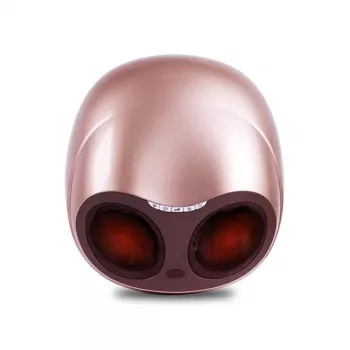
Product pick: Heated Shiatsu Electric Foot Massager with Air Compression & Acupoint Therapy
Heated Shiatsu Electric Foot Massager with Air Compression & Acupoint Therapy
More in-stock finds for home comfort
- 16 Piece Blue Stoneware Dinner Set – Elegant Floral Embossed Plates & Bowls
- How to Choose Chandelier by Height and Scale Checklist | Chandelier Sizing Guide | Lighting Design Tips | Digital Download
Simple routine ideas to pair with foot massage
FAQ
How long should a heated shiatsu foot massage session be?
Most people do well with 5–15 minutes per session. Start shorter for the first few uses, then increase only if it continues to feel comfortable and leaves your feet better, not sorer.
Is air compression supposed to feel tight?
It should feel like a snug, supportive “hug,” not restrictive pressure. If it feels uncomfortably tight, lower the compression level, try thin socks, reposition your feet, and stop if you notice numbness or tingling.
Can a foot massager help with plantar fasciitis discomfort?
It may provide temporary relief for some people by relaxing tight tissues, but it’s best used alongside stretching and supportive footwear. If heel pain is persistent or worsening, a clinician can help confirm the cause and guide a plan.












Leave a comment