App-Controlled HVAC Essential Oil Diffuser Guide
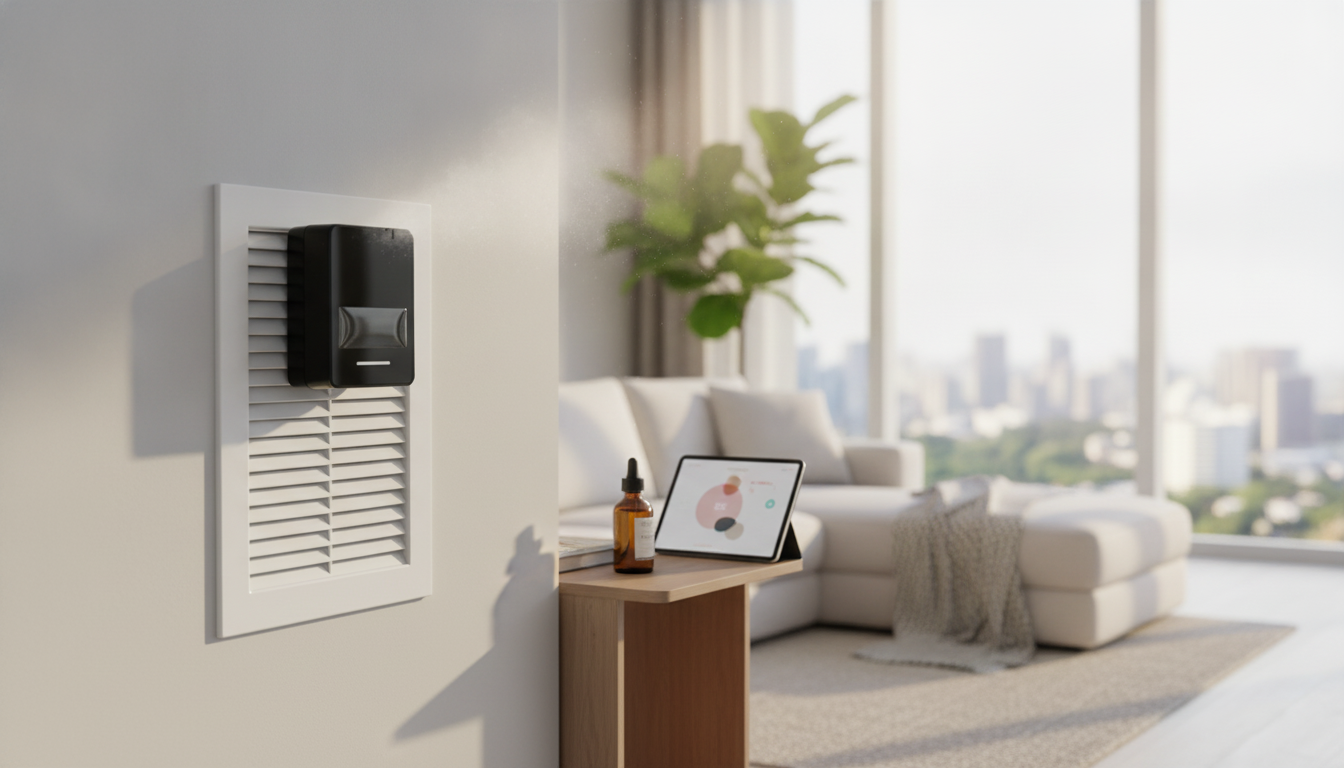
Smart HVAC Scenting: A More Even Way to Diffuse Essential Oils
A connected HVAC diffuser can scent entire rooms and corridors more evenly than countertop units by using existing airflow. With app scheduling and intensity control, it’s easier to keep a consistent ambiance in homes, offices, studios, and guest-facing spaces—without constant refills or manual adjustments. For more guidance, see Ambient Intelligence in the Living Room – PMC.
What This Type of Diffuser Does Differently
HVAC-connected diffusion changes the way fragrance moves through a space. Instead of treating scent like a single-room feature, it uses your building’s airflow to carry aroma more broadly and more consistently. For further reading, see Home Diagnosis | ‘THERE, I FIXED IT’ | Season 3.
- Connects to HVAC airflow to distribute fragrance more broadly across multiple areas.
- App-based control makes it simple to adjust intensity, set schedules, and manage usage patterns.
- Designed for both home comfort and commercial consistency where smell is part of the experience.
- Helps reduce “hot spots” (over-scented corners) compared with localized countertop diffusion.
Key Features to Look For
Not all HVAC oil diffusers are built the same. These practical checkpoints help match a diffuser to your space and routines.
- App control: scheduling, intensity levels, timers, and (when available) multiple device management.
- Coverage suitability: match the diffuser’s output to the size and ventilation of the space.
- Oil compatibility: use pure essential oils or manufacturer-recommended blends to avoid residue buildup.
- Noise expectations: HVAC-connected diffusion is often quieter than fan-driven tabletop units, but confirm specifications.
- Safety controls: automatic shutoff, leak-resistant reservoir design, and clear maintenance instructions.
For general essential-oil use and safety considerations, consult the National Center for Complementary and Integrative Health (NCCIH).
Best Use Cases (Home and Commercial)
HVAC diffusion shines when you want a steady, low-to-moderate background scent across multiple connected areas—especially during predictable hours.
- Homes: open-plan living areas, hallways, multi-room scenting, and seasonal ambiance scheduling.
- Small businesses: salons, yoga studios, boutique retail, and reception areas where first impressions matter.
- Hospitality: lobbies and common areas with predictable operating hours and consistent scent profiles.
- Workplaces: shared spaces where low, steady diffusion is preferable to strong bursts.
Suggested Scenting Approach by Space Type
| Space | Goal | Scheduling Tip | Intensity Tip |
|---|---|---|---|
| Open-plan home | Even background scent | Run in shorter blocks during peak hours | Start low; increase only if scent fades quickly |
| Retail boutique | Memorable brand ambiance | Align with store hours; pause after close | Moderate intensity; avoid overpowering entryway |
| Yoga/fitness studio | Calming, consistent atmosphere | Pre-scent 15–30 minutes before classes | Low to moderate; keep it subtle |
| Office reception | Clean, welcoming first impression | Weekday schedule with lunch-time taper | Low steady output to minimize sensitivity issues |
Setup and Placement Tips for HVAC Diffusion
A good installation and a measured first week of use can make the difference between a gentle, consistent aroma and an uneven result.
- Confirm the installation method: follow the device instructions for connecting to vents/ducting or HVAC return areas.
- Keep the unit accessible for refills and cleaning; avoid hard-to-reach attic-only placements unless serviceable.
- Start with conservative settings: test intensity for 24–48 hours before increasing.
- Use consistent airflow periods: diffusion performance is tied to HVAC run time and air movement.
- Avoid mixing too many oils at once; rotating blends can help reduce lingering overlap.
Routine Care and Oil Selection
HVAC diffusion is designed for consistency, but consistent performance depends on clean contact surfaces and the right oil choices.
- Clean on a schedule: wipe reservoirs and any oil-contact surfaces to prevent residue and clogging.
- Use quality oils: poor-quality or heavily dyed/fragranced oils may increase buildup or affect performance.
- Watch for sensitivity: choose lighter profiles in shared spaces and avoid known irritants where appropriate.
- Store oils properly: cap tightly and keep away from heat and sunlight to preserve scent integrity.
If pets are present, review guidance from the ASPCA on essential oils and keep oils securely stored.
Smart HVAC Essential Oil Diffuser with App Control (Product Overview)
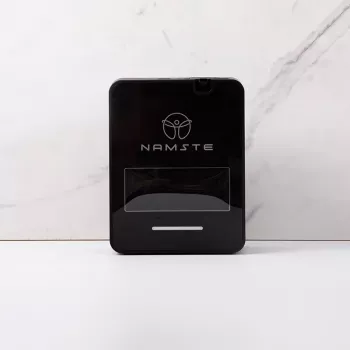
The Smart HVAC Essential Oil Diffuser with App Control for Home & Commercial Use is built for spaces where steady scenting matters more than short bursts. It’s a practical step up from tabletop diffusers when you want broader distribution, fewer “over-scented” zones, and a schedule that runs automatically.
- Designed to support both residential and professional spaces where consistent scenting matters.
- App control supports hands-off scheduling and easy intensity adjustments for different times of day.
- Useful for multi-room ambiance, customer-facing consistency, and predictable operating hours.
- In stock and positioned as a straightforward upgrade from room-local diffusion.
Quick Comparison: HVAC Diffusion vs Countertop Diffusers
Related Picks for Guest-Ready Spaces
- 16 Piece Blue Stoneware Dinner Set – Elegant Floral Embossed Plates & Bowls
- How to Choose Chandelier by Height and Scale Checklist | Chandelier Sizing Guide | Lighting Design Tips | Digital Download
FAQ
Is an HVAC essential oil diffuser safe to use around pets and children?
It can be used more responsibly by ensuring good ventilation, starting at low intensity, and keeping oils and refills out of reach. Some oils can be harmful to certain pets, so avoid known problem oils and consult a veterinarian for pet-specific guidance.
How often does an HVAC diffuser need cleaning?
A simple wipe-down weekly and a deeper clean about once a month is a practical baseline, but frequency depends on oil type and how many hours it runs. Citrus and resinous oils can leave more residue, so follow the device’s manual and adjust the schedule if you notice buildup.
Will the scent spread to every room in the building?
Not always—coverage depends on duct layout, airflow balance, closed doors, and how often the HVAC system runs. Testing one zone at a time and fine-tuning intensity and scheduling usually produces the most even, predictable result.













Leave a comment