Leather Rivet Durability: Materials, Fit, and Wear Signs
How durable are leather rivets?
Leather rivets are generally very durable when they’re the right type for the job and installed correctly. In footwear and accessories, a properly set rivet can outlast the leather around it because it creates a locked mechanical fastener rather than relying on stitching alone. That said, durability varies widely based on rivet material, post length, how the holes were punched, and how much flex and shear the area experiences.
What makes a rivet last (or fail)?
Material is the biggest factor. Solid brass, stainless steel, and quality copper rivets resist corrosion from sweat and moisture and hold their shape under repeated stress. Lower-grade plated rivets can wear through their finish, corrode, or deform over time, especially on items that see frequent exposure to water or salt.
Installation matters just as much as metal choice. A rivet that’s too short won’t roll or cap securely, and one that’s too long can “mushroom” unevenly and loosen. Clean, correctly sized holes prevent tearing; oversized holes let the rivet wiggle and gradually enlarge the leather until the hardware loosens. In high-flex zones (like near the toe bend on shoes or at a strap hinge), rivets experience repeated movement, so backing washers and proper placement can dramatically improve lifespan.
How rivets hold up on shoes and dress loafers
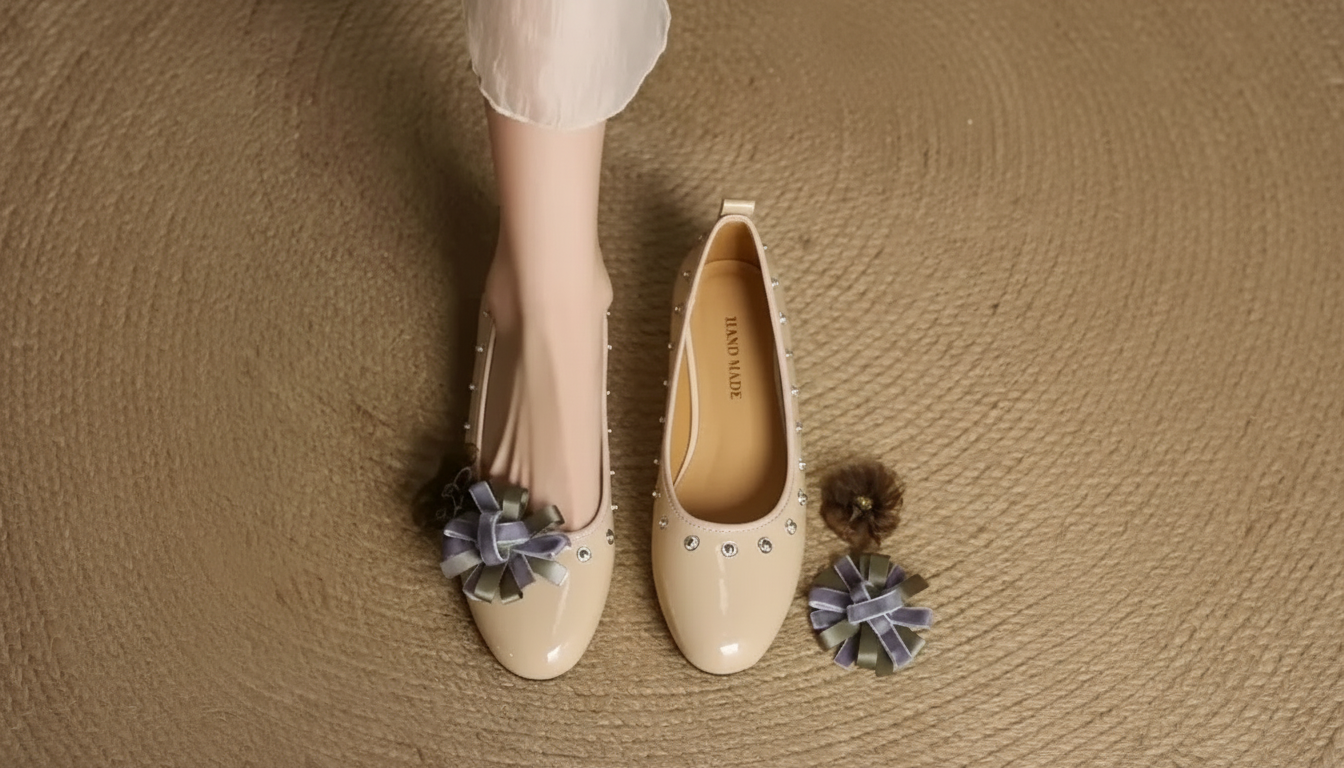
On loafers and other dress shoes, rivets are often used as functional reinforcement or decorative hardware. They tend to hold up well when set through firm leather layers and positioned away from constant creasing. If the rivet is purely decorative and attached through thinner leather, it can still last, but it’s more dependent on careful setting and avoiding snagging.
For a detailed look at rivet styling and how it pairs with patent loafers, see this guide on patent loafers with rivet details.
Signs your rivets are wearing out
Watch for spinning caps, lifting edges, rattling, discoloration around the rivet, or leather cracking radiating from the hole. Early attention—like tightening or replacing a loose rivet before the hole stretches—can prevent bigger repairs.
FAQ
Do rivets damage leather over time?
They can if the hole is too large, the leather is too thin, or the rivet loosens and starts moving. When properly sized, set, and occasionally checked, rivets typically protect stress points rather than damage them.














Leave a comment