Best Ways to Fasten Leather: Stitch, Glue, Rivets & More

What are the different ways to fasten leather together?
Leather can be joined in several reliable ways, and the best choice depends on how much stress the seam will take, how visible you want the fastening to be, and whether you may need to repair it later. From sleek dress shoes to everyday accessories, these methods are often combined for strength and a clean finish.
Stitching (hand or machine)
Stitching is the most common way to fasten leather because it’s strong, flexible, and repairable. Hand stitching (often saddle stitching) uses two needles to lock each stitch, while machine stitching is faster and consistent. Thicker leather typically benefits from heavier thread and longer stitch length to reduce perforation and tearing.
Adhesives (contact cement and leather glue)
Glue is frequently used to “tack” pieces in place before stitching, or as a primary bond where stitching would be bulky or visible. Contact cement creates a strong, immediate bond when both surfaces are coated and allowed to tack up. For cleaner work, edges should be lightly roughened and dust-free before bonding.
Rivets and burr rivets
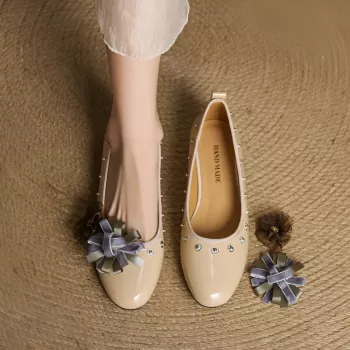
Rivets mechanically clamp layers together and excel in high-stress spots like strap ends, handles, and corners. Burr rivets (a post plus washer) are especially durable and are common in work gear. Rivets add a distinct hardware look and can become a design detail.
Chicago screws and screw posts
These threaded fasteners are ideal when you want a removable connection, such as interchangeable straps or parts that may need maintenance. They look polished, but benefit from thread locker in high-vibration use to prevent loosening.
Lacing, braiding, and thonging
Leather lace can join panels while adding a decorative edge. Laced seams allow some give and can be repaired by replacing the lace. This method is popular on rustic goods, knife sheaths, and accent seams.
Snaps, buckles, and hook-and-loop closures
While not always “joining” two pieces permanently, closures fasten leather components together in a functional way. Snaps are quick-access; buckles allow adjustable tension; hook-and-loop is lightweight and easy but less traditional for fine leather goods.
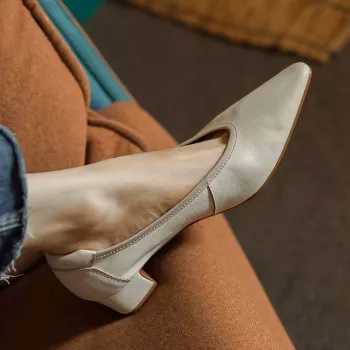
For footwear details and hardware-driven styling, see the guide here: https://prince.sale/guide-patent-loafers-rivet-flower-round-toe-low-heel/.
FAQ
How do you keep leather rivets from loosening over time?
Use the correct rivet length for the total leather thickness and set it on a solid anvil so the post mushrooms evenly. For heavy wear, choose burr rivets or double-cap rivets rated for thicker stacks.














Leave a comment